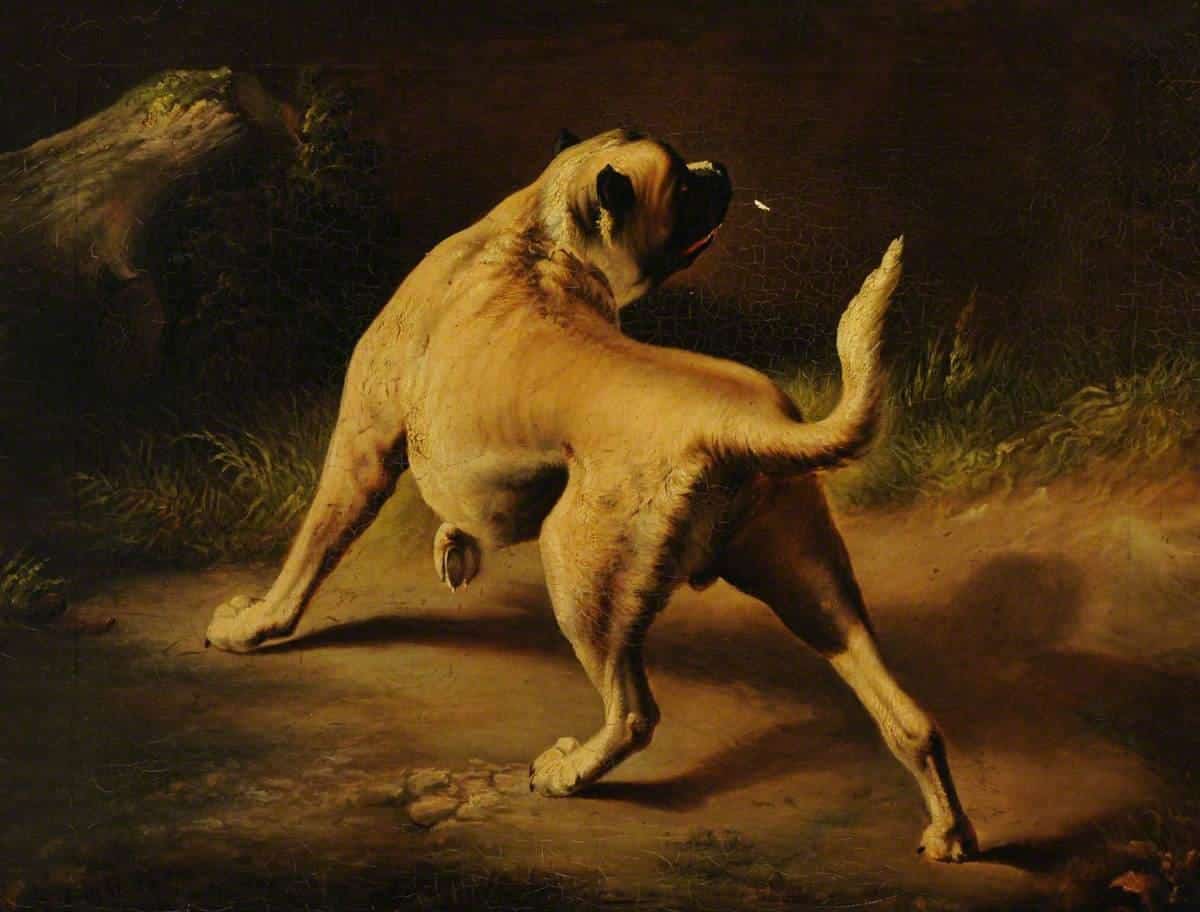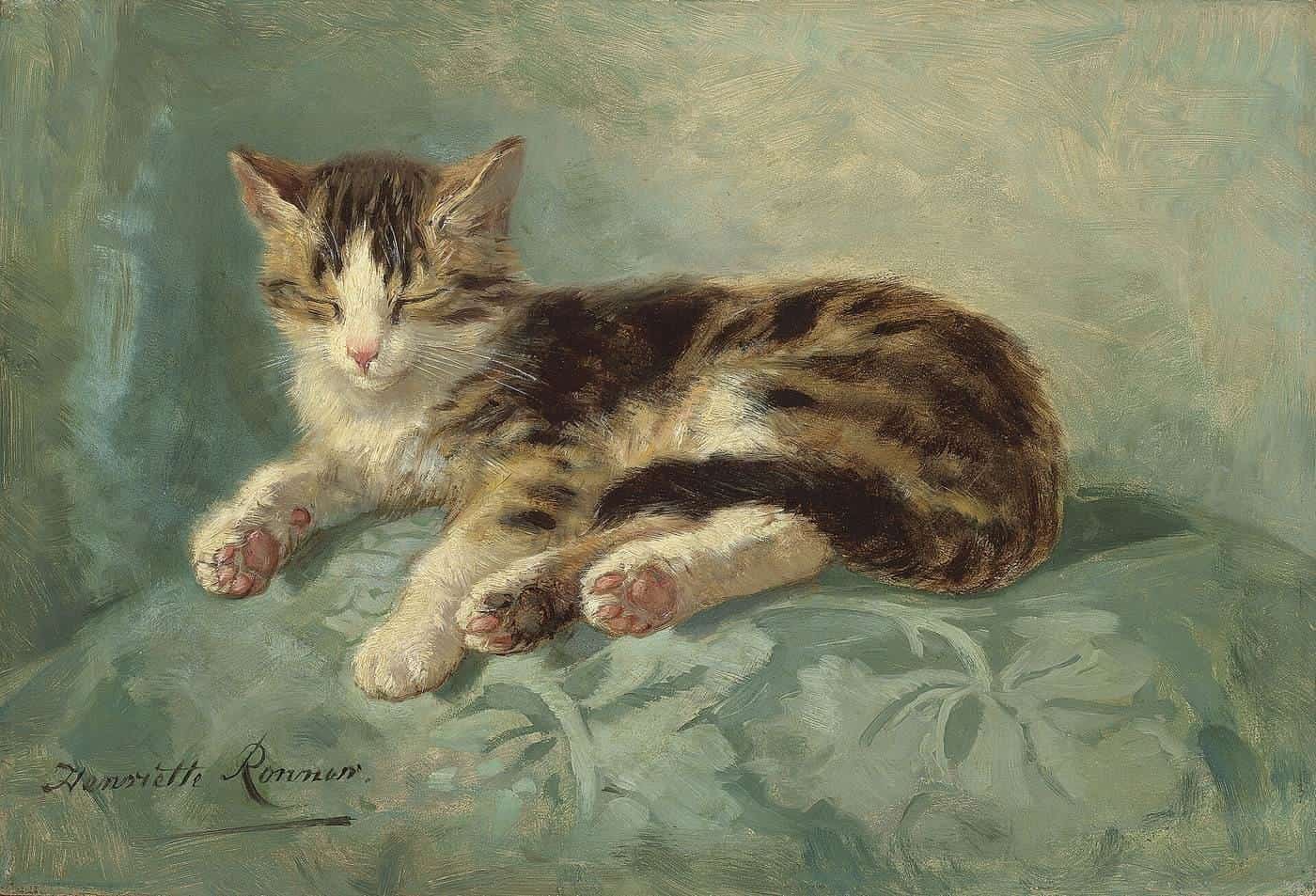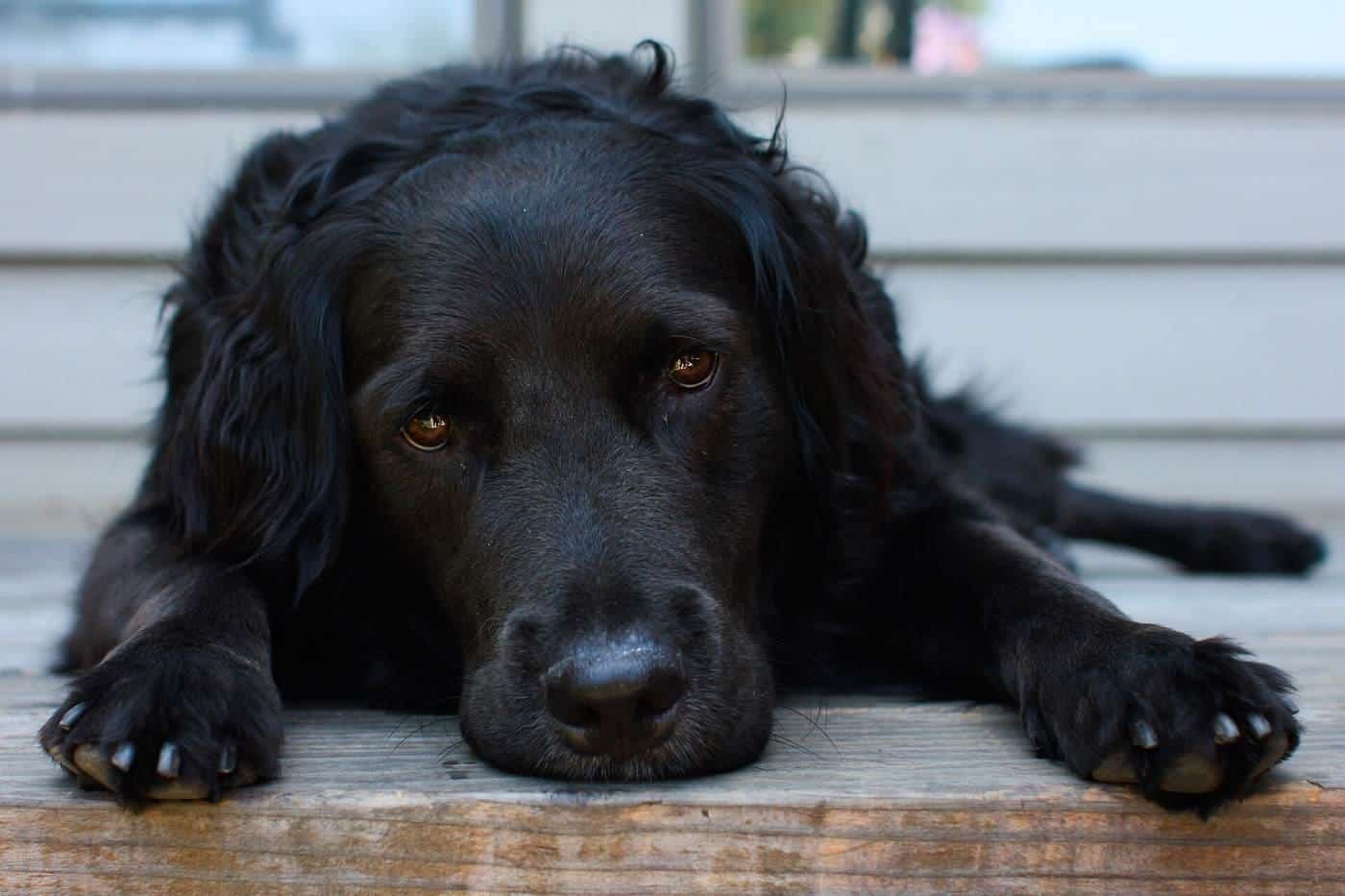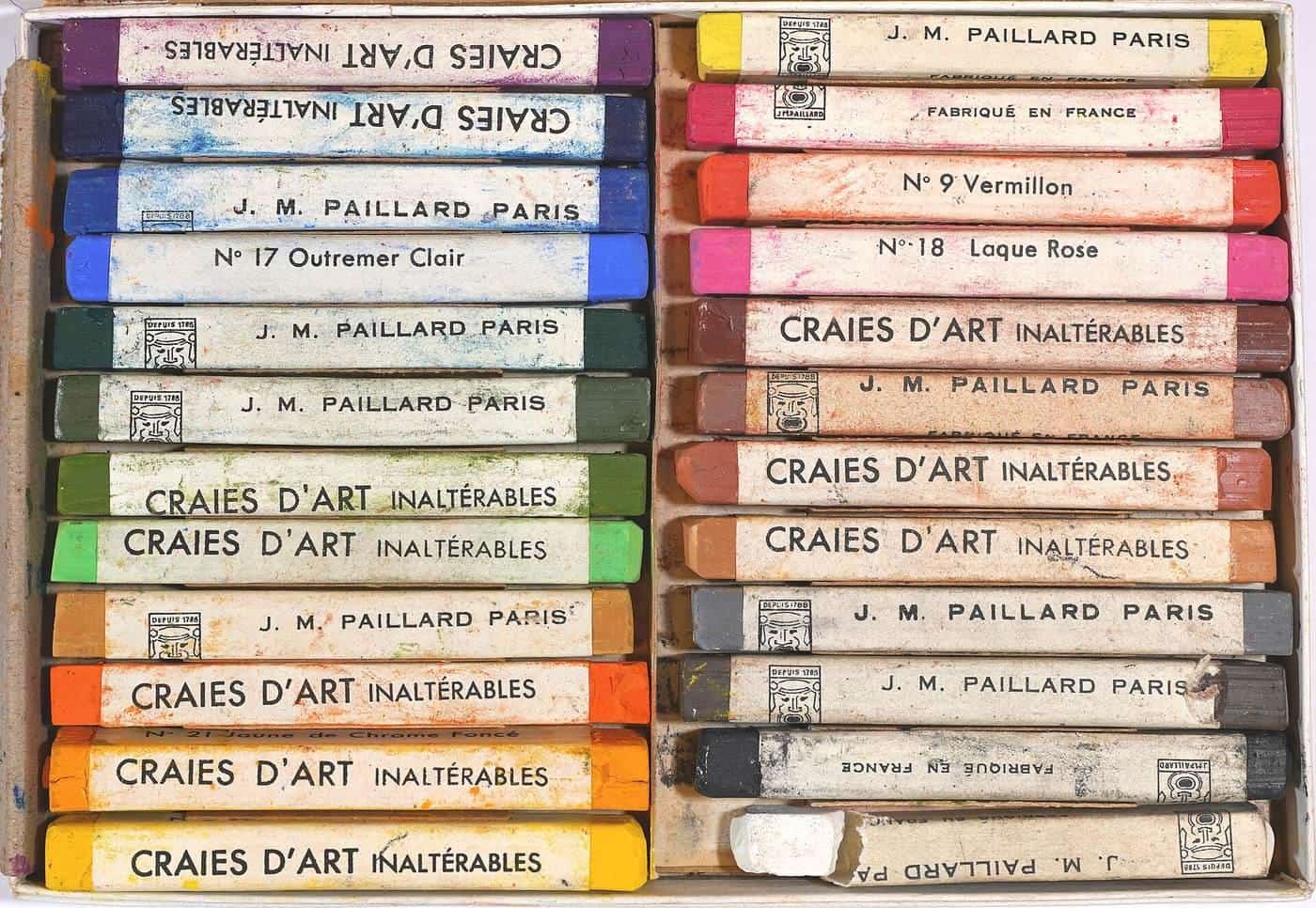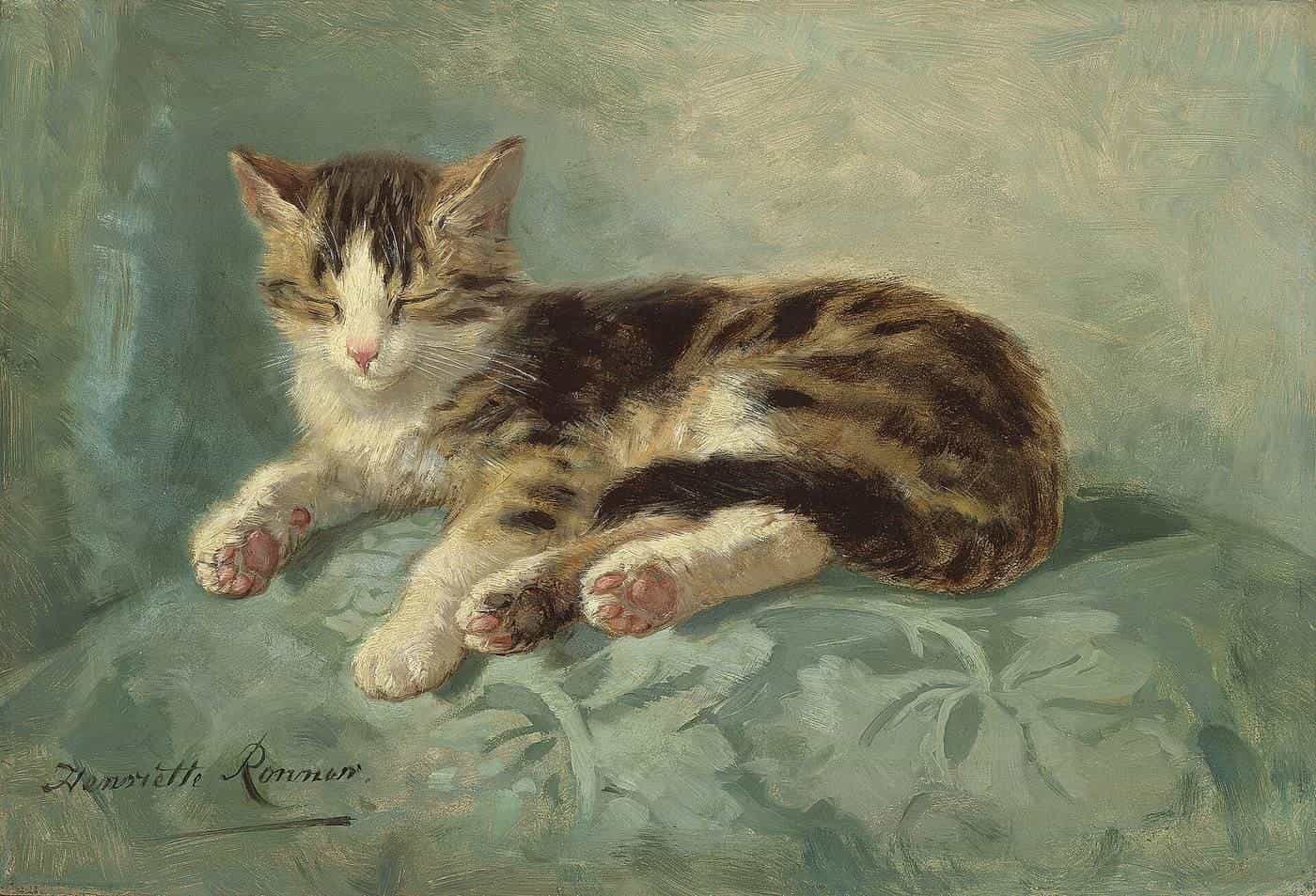
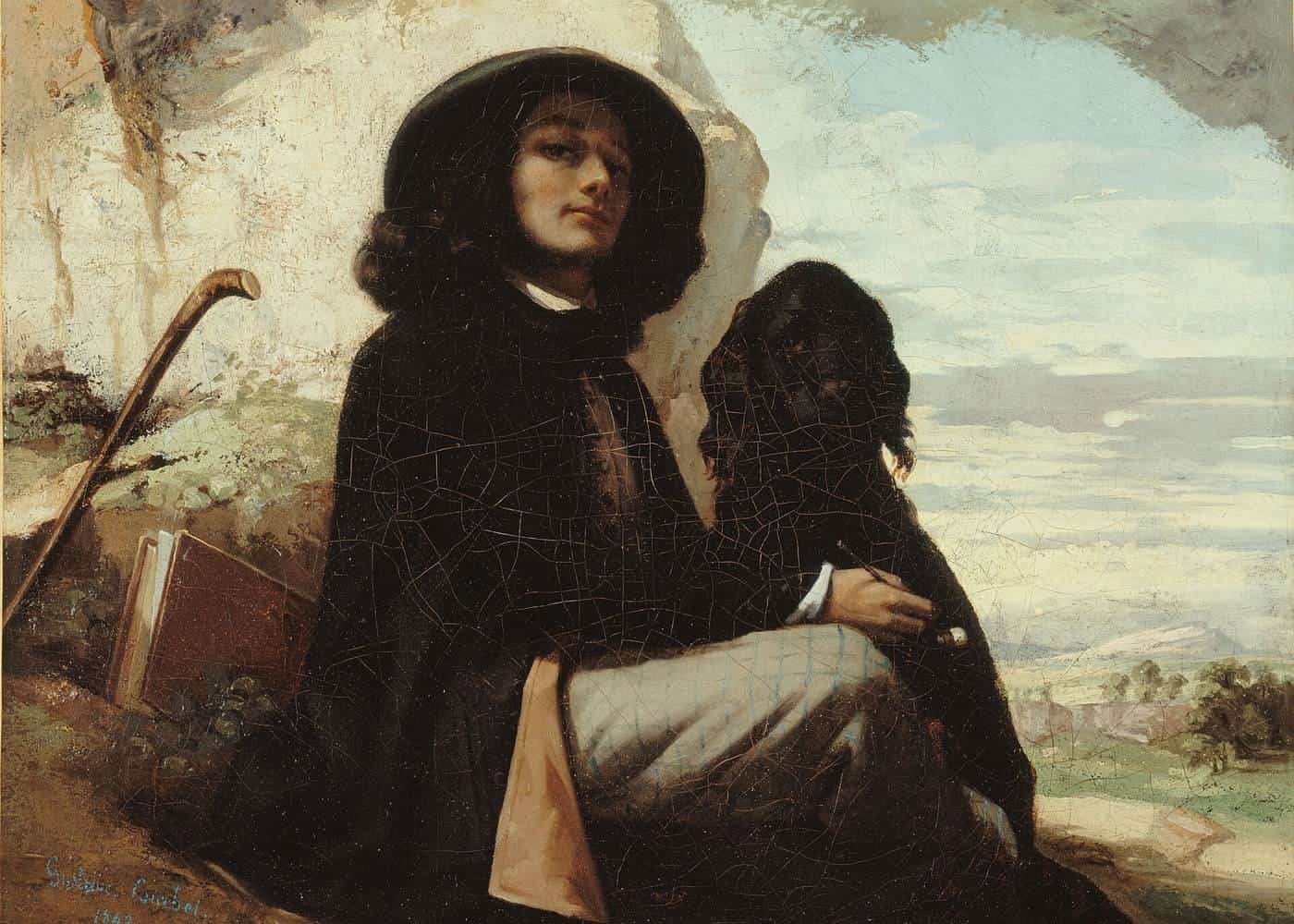
A portrait of a much-loved animal can be one of the most treasured things in a home. Whether it's a lively young dog, a cat who rules the household, a horse you've ridden for years or a companion who has died, a good portrait captures something photographs don't quite hold. This site brings together independent, plain-language guides to choosing a medium, commissioning an artist, taking reference photos and caring for the finished work, with expert sources on every page.
Explore the guides
- Mediums Oil and acrylic, pastel, charcoal and pencil, and digital portraits compared.
- Commissioning The process, choosing an artist, deposits and consumer rights, and copyright.
- Photos & care Reference photos, memorial portraits, framing and caring for artwork.
Popular guides
- How to commission a pet portrait
- Taking reference photos of pets
- Pastel pet portraits
- Copyright and pet portraits
- Memorial pet portraits
A long tradition
People have commissioned portraits of their animals for centuries. The National Gallery in London describes George Stubbs's life-size Whistlejacket, commissioned by the horse's owner and painted around 1762, as probably the most well-known portrait of a horse. Stubbs spent 18 months dissecting and drawing horses to understand their anatomy. Today's pet portrait artists work in every medium, from oil and pastel to pencil and digital, and most work from photos, so anyone can commission a portrait.
Choosing a medium
Oil and acrylic paintings have depth and texture and are often framed without glass. Soft pastel is almost pure pigment, and its velvety marks suit fur beautifully, but it must be framed behind glass. Charcoal and pencil give timeless monochrome or finely detailed coloured drawings. Digital portraits come in every style and can be delivered as files or prints. The most important thing is to find an artist whose existing work in that medium you love.
Commissioning with confidence
Ask for a written quote and terms covering price, what's included, the deposit, the timeline, how many changes you can request, cancellation, delivery and copyright. Approve a sketch or composition before the artist starts the final work. The ACCC explains that services from Australian businesses must be provided with acceptable care and skill and within a reasonable time, and Scamwatch warns about fake online sellers, so check an artist's history and use payment methods that offer protection.
Who owns the copyright?
Owning a portrait isn't the same as owning its copyright. The Arts Law Centre of Australia and the Copyright Agency explain that the creator is generally the first owner of copyright unless it's assigned in writing, with special rules for some commissioned works, including portraits for private or domestic purposes. The simplest approach is to agree in writing who owns copyright and how each of you may use the image.
Great photos make great portraits
Natural daylight, no flash, a camera at your pet's eye level and sharp focus on the eyes give artists what they need. Take lots of photos from different angles, plus close-ups of markings, and send original files rather than screenshots.
Looking after your portrait
The Australian Institute for the Conservation of Cultural Material recommends hanging paintings away from direct sunlight, exterior walls and UV-emitting lights, and keeping them away from fires, heating and cooling ducts and kitchens. Works on paper need glazing with a mat. Keep relative humidity below 70% to prevent mould, especially in humid climates.
Use the pet portrait planner
Our free pet portrait planner shows how each medium looks and is cared for, and gives a reference-photo checklist and questions to ask an artist. It runs entirely in your browser, and nothing you choose is sent anywhere.
About this site
This web address was once home to a single artist's pet portrait website, which later closed. Pet Portrait Artist is a new, independent site with original content and no connection to that artist or any previous operator. We don't sell artwork or recommend particular artists, we never invent prices, statistics, quotes or reviews, and our guides aren't legal advice.